
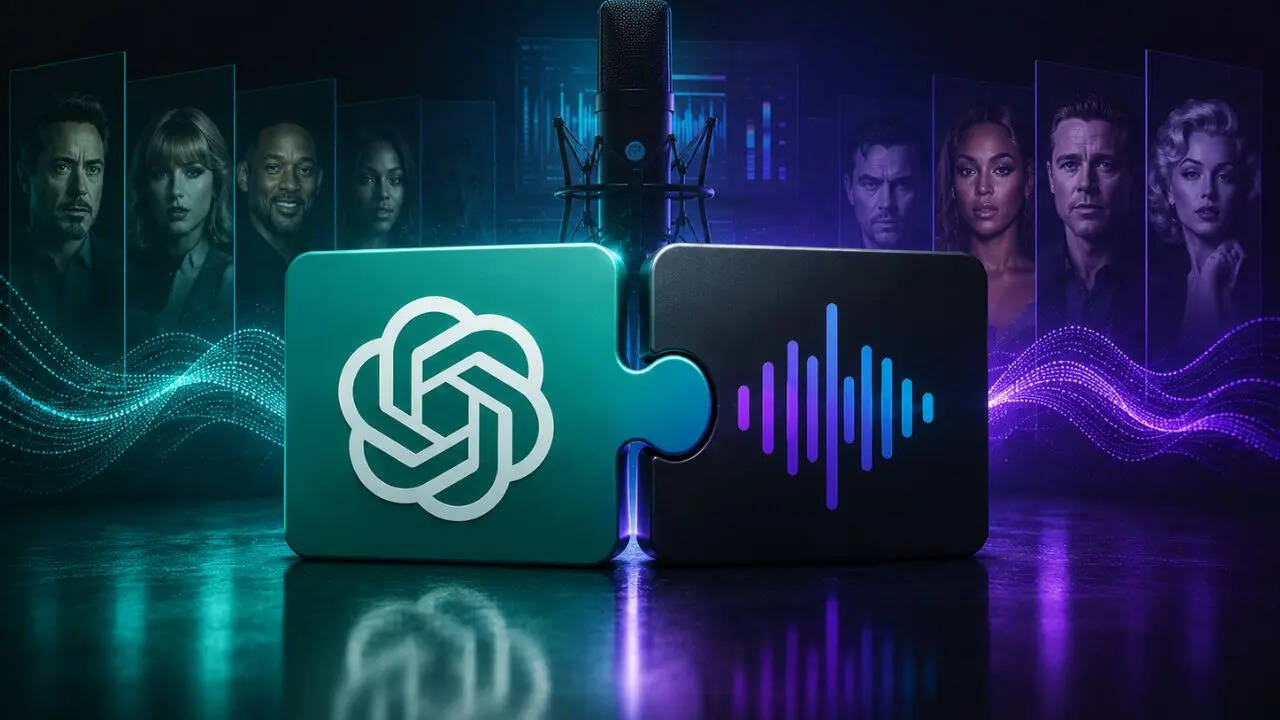
OpenAI has reportedly made another quiet move in the artificial intelligence space, this time by acquiring Weights.gg, a startup known for its AI-powered voice cloning tools. According to a report by The New York Times, the deal included both the company’s intellectual property and its small team of employees, although financial details have not been disclosed publicly. The acquisition surfaced months after Weights.gg shut down operations earlier this year. Anyone visiting the startup’s website today is greeted with a farewell message confirming that the platform officially closed on April 1, 2026.
What Was Weights.gg?
Before shutting down, Weights.gg operated as a social-style platform where users could create, train and share AI voice models. Its consumer-facing app, Replay, reportedly allowed users to clone voices with striking accuracy. The platform gained attention for hosting voice models resembling celebrities and public figures. According to reports, users had created AI-generated voices mimicking artists such as Taylor Swift, Kanye West and members of Blackpink. Political figures including Donald Trump and Joe Biden were also reportedly replicated through AI-generated voice models. The startup’s tools even extended into fictional territory, with users cloning famous cartoon voices like Bugs Bunny and Daffy Duck.
Why OpenAI May Have Bought It
Interestingly, OpenAI does not appear interested in reviving Weights.gg as a standalone product. The report suggests that employees from the startup have already been distributed across different internal teams at OpenAI. That points toward a broader strategy. Rather than launching a public deepfake voice platform, the AI giant may be looking to strengthen its own voice technologies quietly behind the scenes.
OpenAI has already expanded its audio and speech-related tools in recent months. The company now offers voice-based APIs for developers and has introduced features like real-time translation and AI voice assistants. ChatGPT’s integration into Apple CarPlay also signalled growing interest in conversational voice experiences.
YouTube, TikTok And Snap Settle Case Claiming Apps Hurt Students And Schools
AI Voice Cloning Remains Controversial
At the same time, AI-generated voices remain one of the most debated areas in artificial intelligence. OpenAI itself previously admitted it had developed advanced voice replication systems but avoided releasing unrestricted tools publicly due to misuse concerns. According to reports, the company still plans to limit access to trusted partners instead of opening such systems to everyone.
The wider industry has already faced backlash. Scarlett Johansson previously threatened legal action against OpenAI over a ChatGPT voice she claimed sounded too similar to her own. Meanwhile, Taylor Swift has reportedly moved to legally protect her voice and likeness through trademark filings.
