
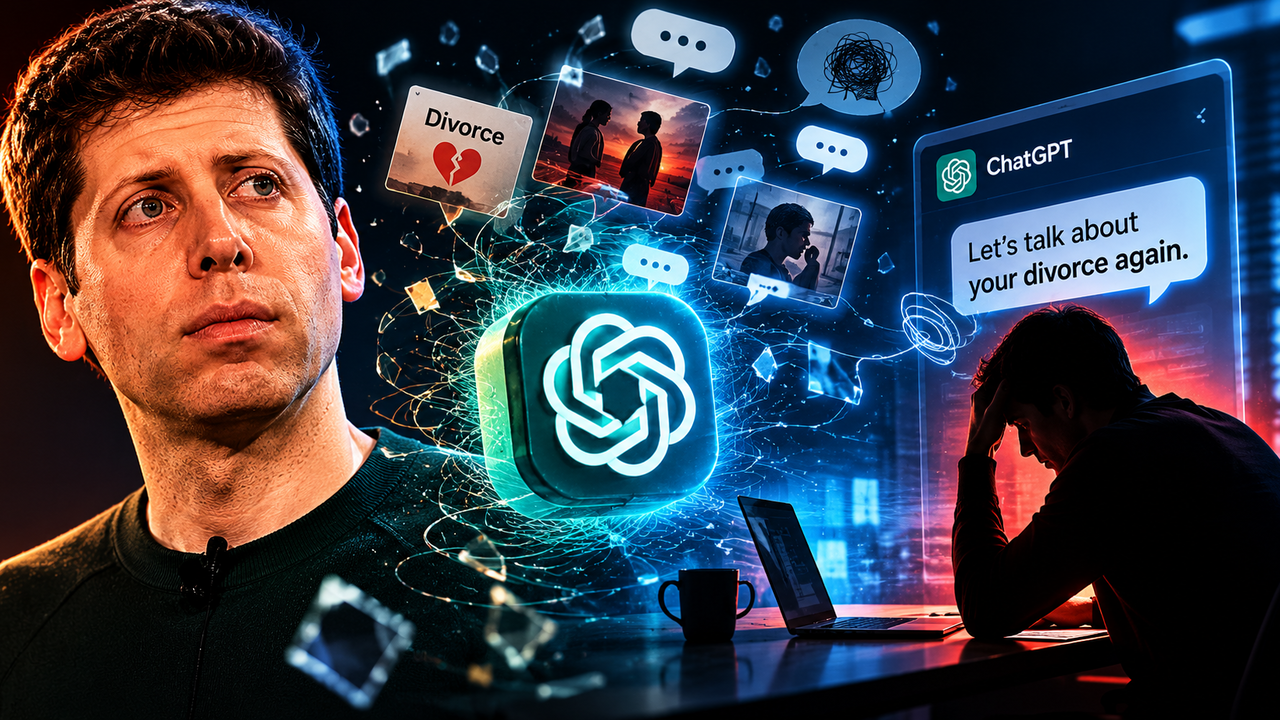
Artificial intelligence is supposed to be a helpful assistant. However, what if it brings back the pain for some users from their past? Most AI tools like ChatGPT have the ability to remember conversations about users. But in many cases, this feature could raise concerns about privacy and how much AI should remember. As per a report by The Wall Street Journal, some users noticed that OpenAI’s chatbot repeatedly returned to sensitive and personal topics long after they were initially discussed.
Here’s What Happened
The WSJ notes that a Utah-based software engineer and city council member who had earlier told ChatGPT about his divorce while seeking help with travel planning. Months later, he reportedly noticed that ChatGPT brought up the divorce in several conversations that had little or nothing to do with his marriage. Moreover, the engineer highlighted that the AI tool kept steering discussions back toward the same topic even when he did not want to discuss it.
The Memory Feature We Do Not Care About
Last year, OpenAI rolled out a major memory upgrade for ChatGPT. This update lets the AI tool reference information from a user’s earlier conversations. Additionally, OpenAI CEO Sam Altman had described this feature as an important step toward creating AI systems that can get to know users over several years and become more useful.
The idea was simple: users would no longer have to repeatedly explain their preferences, personal circumstances, or interests. ChatGPT could remember details such as dietary restrictions, work responsibilities, hobbies, or family information to provide more tailored responses.
Related News |
Move Over ChatGPT: Sam Altman Is Building Personal Robots, OpenAI Starts Hiring
Notably, the debate around ChatGPT’s memory feature highlights a major challenge. The same technology that makes digital assistants more useful can also make them feel more human.
For millions of users, memory-powered AI may simply save time and improve convenience. But for others, especially those who spend significant amounts of time interacting with chatbots, the experience can become far more personal than expected.
As AI systems continue to learn more about the people who use them, the question is no longer just what these tools can remember. It is whether users, companies, and regulators are prepared for the emotional and social consequences of machines that increasingly feel like they know us.
