
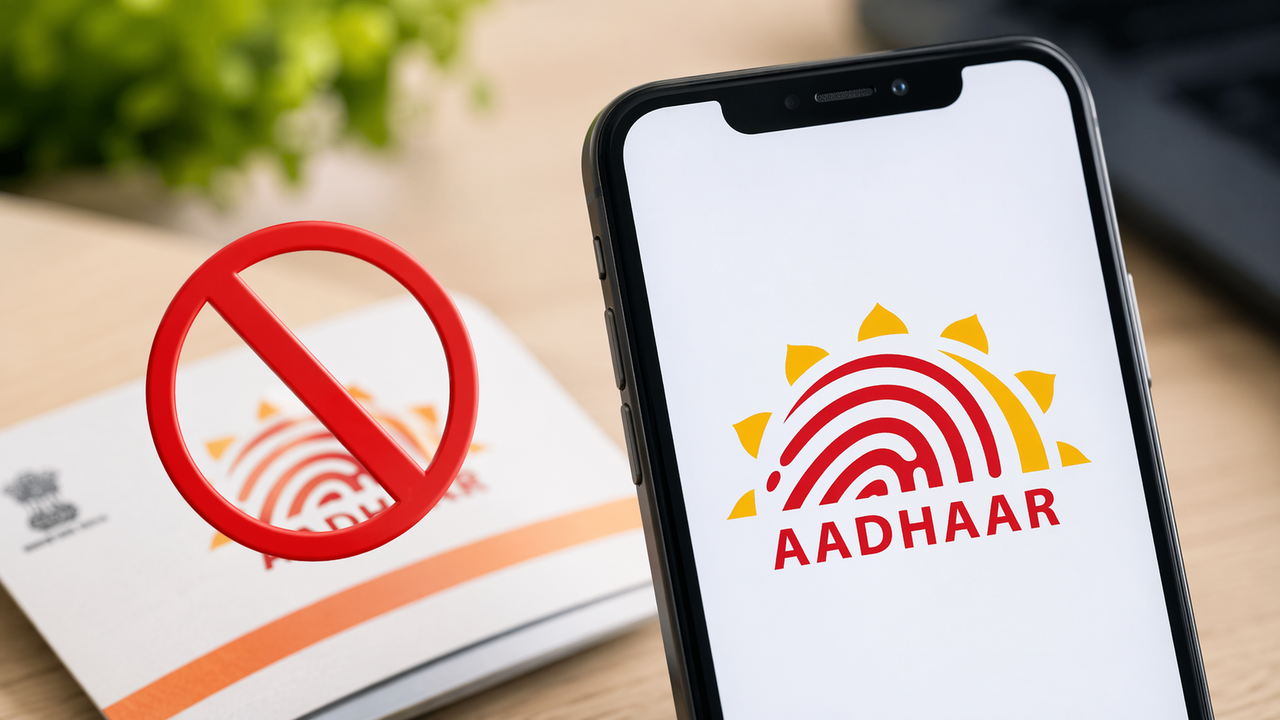
The Centre has decided to drop the plan that needed smartphone companies to pre-install the Aadhaar app on the mobiles. This decision was confirmed by the Unique Identification Authority of India on Friday, as per Reuters. The proposal, initially discussed earlier this year, focused on making the Aadhaar app readily available on smartphones, but it faced resistance from major smartphone giants like Apple and Samsung over security and cost concerns.
What Is The Proposal
The proposal needed smartphone makers to pre-install the Aadhaar app on all mobiles sold in India. Moreover, the Ministry of Electronics and Information Technology (MeitY) reviewed the proposal and reached the conclusion to drop the idea of mandatory pre-installation of the Aadhaar app. The Aadhaar regulatory body, UIDAI, told Reuters, “India’s IT ministry reviewed the proposal and is not in favour of mandating the pre-installation of the Aadhaar App on smartphones.”
Concerns About The Proposal
While the government did not cite any specific reason to drop the proposal, reportedly discussions with stakeholders played a role in it. Smartphone manufacturers raised concerns on compatibility issues across markets, rising production costs due to separate manufacturing lines, and device security risks. Reportedly, Samsung and Apple pushed back against the proposal and were cautious about security implications and the impact on global device standards. Smartphone users will continue to download the Aadhaar app manually if they need it for now and it is not compulsory to download it.
Related News |
Aadhaar Card Update Online: How To Change Your Address, Documents Required And More
UIDAI suggested that the pre-installation of the Aadhaar app on smartphones will help citizens to ‘readily access the necessary features of Aadhaar without the need for separate downloads,’ and it will also enhance its reach and accessibility. Aadhaar is a unique 12-digit number that confirms the unique IDs of citizens in India by linking their fingerprints and iris scans to it. It is majorly used by banks and telecom regulators to authorise the digital identity of a citizen in India.
