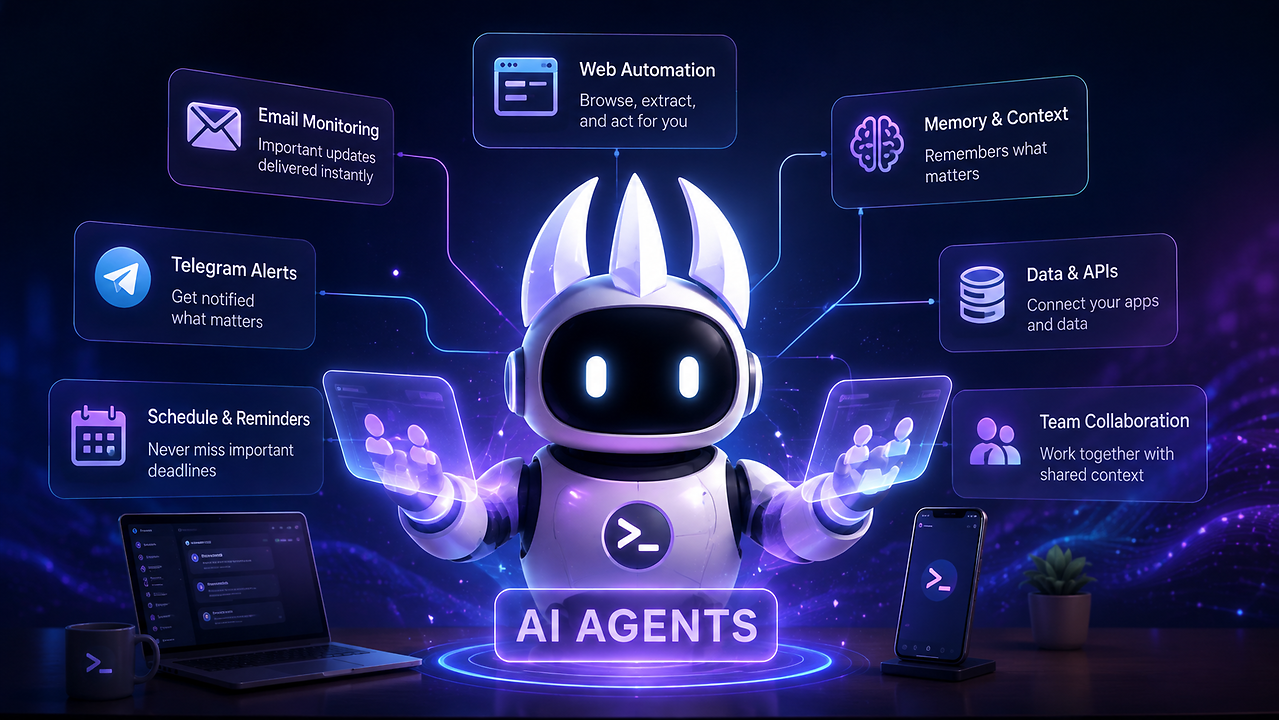
As of now, the AI boom in AI agents is at an all-time high, and they are now even capable of getting done with tasks beyond answering simple questions. These agents can now analyse documents, manage schedules, access emails, and whatnot without a lot of human intervention. And even after all that, one of the concerns is still on the table, which is how safe it is to share your personal and sensitive information with AI agents. For those unaware, AI agents, in order to complete detailed tasks, may require emails, documents, customer details, internal company details, and a lot more. And we just cannot deny that giving this kind of access to an agent puts a lot of things at risk.
Another major highlight is that an AI agent should have a limited amount of access to the information and applications required to complete its assigned task. Giving access to an entire email account or database should be something that users may completely avoid and stick only to sharing the part where they need help. Users should also stay alert when it comes to sharing crucial financial details like banking ID, passwords, and more with AI agents unless that is very necessary or the last option left to execute.
One of the biggest problems that AI agents are facing in these times is prompt injection, a technique where the attacker could potentially attempt to make an agent reveal confidential information or perform an action that the user never wanted to trigger, and it can result in major losses in terms of data and finance. The safest way to interact with AI agents is by following workplace data policies and carefully monitoring what an AI agent is being allowed to access. Sharing personal data with agents can be safe only if you are mindful while doing so and provide minimum required information as per the task.