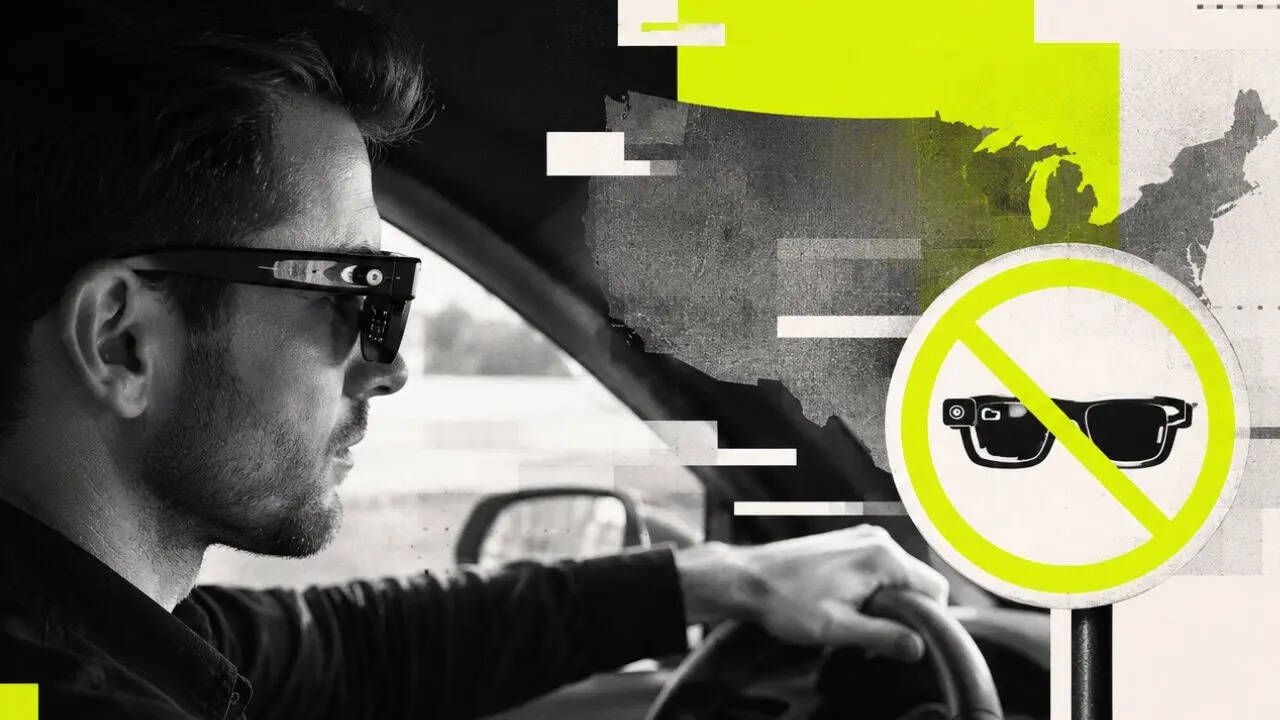
Smart glasses have long been pitched as the next big thing in consumer technology. From navigation overlays to AI-powered assistants sitting right in front of your eyes, tech companies believe wearable displays could eventually become as common as smartphones. However, not everyone is convinced that is a good idea. Now, one US state is preparing to take a major step that could reshape how smart glasses are used in public. Keep reading to know why Illinois could become the first state in the US to ban drivers from wearing smart glasses while behind the wheel.
According to reports, lawmakers in Illinois have passed a bill that would make it illegal for motorists to use AI-powered smart glasses while driving. The legislation is currently awaiting final approval from Governor JB Pritzker. If signed into law, Illinois would become the first US state to specifically prohibit the use of smart glasses by drivers.
What makes the proposal stand out is that it does not distinguish between different types of smart glasses. Whether the wearable includes a display or simply offers AI-powered features, the restriction would apply across the board.
The proposed law states that existing exceptions available for smartphones and other communication devices would not apply to AI smart glasses. The measure notes that: “Exceptions to the use of an electronic communication device while driving do not apply to the use of artificial intelligence smart glasses when using the electronic communication device in hands-free or voice-operated mode or when the vehicle is stopped due to normal traffic being obstructed and the driver has the motor vehicle transmission in neutral or park.”
Drivers found violating the law could face fines starting at $75, with penalties increasing to $150 for repeat offences. In more serious situations, such as accidents resulting in injury or death, additional criminal charges could potentially apply.
The move comes as concerns around wearable technology continue to grow. Smart glasses have already faced restrictions in courtrooms, examination centres, and certain public spaces. Critics argue that placing digital information directly in a driver’s field of vision could create new distractions at a time when road safety remains a major concern.